

Void fill is one of those costs that hides in plain sight. You’re buying it, storing it, paying people to apply it, and then paying FedEx or UPS to ship the air inside your boxes — and most operations managers don’t have a clean number for what it’s actually costing them.
This post breaks down the real-world alternatives, who they’re right for, and where right-sizing corrugated boxes can reduce or eliminate the need entirely. We work with fulfillment operations across Chicago, Indianapolis, Columbus, Dallas, and Los Angeles — and the same patterns show up everywhere.
Why Void Fill Costs More Than the Line Item
The material cost is just the beginning. Void fill carries four cost layers that rarely get added up together.
The material itself — air pillows, bubble wrap, paper, foam — runs anywhere from a fraction of a cent to several cents per cubic inch depending on volume and supplier. For high-SKU operations shipping thousands of packages daily, that adds up fast.
Labor is the second layer. Someone has to apply the void fill. Even at 10–15 seconds per package, that’s meaningful labor cost at scale.
Storage is the third. Void fill is mostly air by volume. Storing it in a fulfillment center means you’re paying warehouse rent for material that doesn’t weigh anything.
Dimensional weight is the fourth — and often the largest. When a box has void fill in it, it usually means the box is oversized for its contents. Carriers charge based on whichever is greater: actual weight or DIM weight. An oversized box with void fill pays on DIM weight whether the product weighs 2 lbs or 20 lbs.
The Main Void Fill Options
Air pillows are the most common choice in fulfillment. They’re fast to apply, lightweight, and relatively cheap at volume. The downside: they require a machine and a steady supply of film rolls, they don’t work well for fragile or heavy items without supplementation, and they do nothing about the DIM weight problem — they are the DIM weight problem.
Bubble wrap offers better protection than air pillows for fragile SKUs, but it’s slower to apply, bulkier to store, and costs more per cubic inch. It also generates customer complaints about plastic waste, which matters increasingly for sustainability-focused shippers.
Paper void fill — crumpled kraft or honeycomb paper — has grown in popularity as a recyclable alternative. It’s effective, customer-friendly, and works across a wide product range. The cost per unit is higher than air, and it’s slower to apply than automated air pillow systems. But for operations with sustainability mandates, it’s often the right trade.
Foam-in-place and molded foam are the right answer for high-value, fragile, or irregularly shaped products. For general fulfillment, they’re overkill — expensive, equipment-intensive, and not practical at most volumes.
Packing peanuts still exist. They’re cheap and effective for cushioning. They’re also universally disliked by recipients, messy to work with, and increasingly restricted in certain B2B customer agreements. If you’re still using peanuts for anything other than very specific applications, it’s worth revisiting.
Where Right-Sizing Changes the Equation
Most void fill exists because the box is the wrong height for the product. Standard corrugated boxes come in fixed heights — so operations either overstock dozens of SKUs to try to approximate the right size, or they use a small SKU range and fill the gap with void fill.
Right-sizing addresses this at the source. When box height is matched to the product, void fill requirements drop significantly. The box ships tighter, DIM weight decreases, and the labor step of applying void fill is reduced or eliminated for those SKUs.
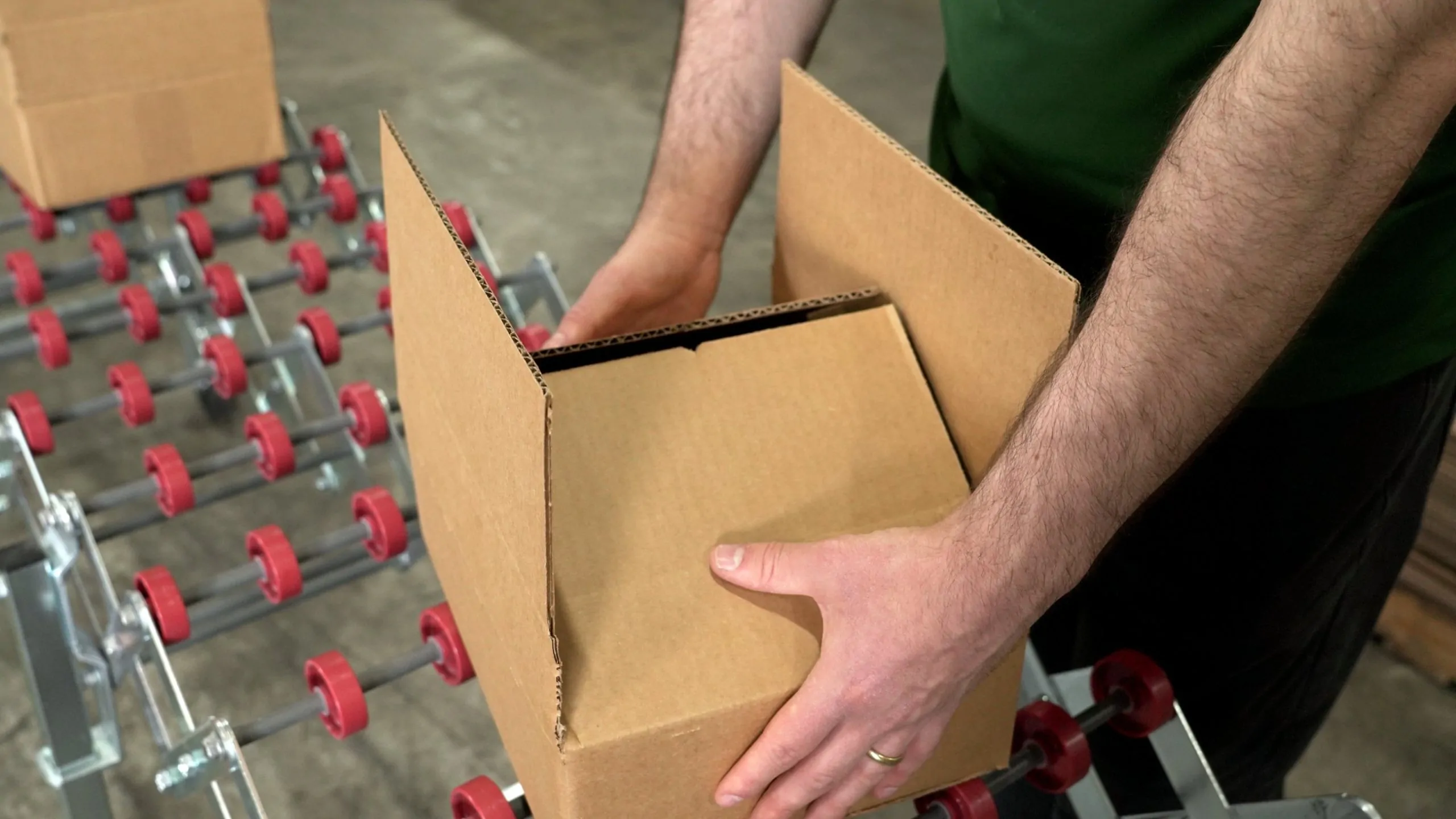
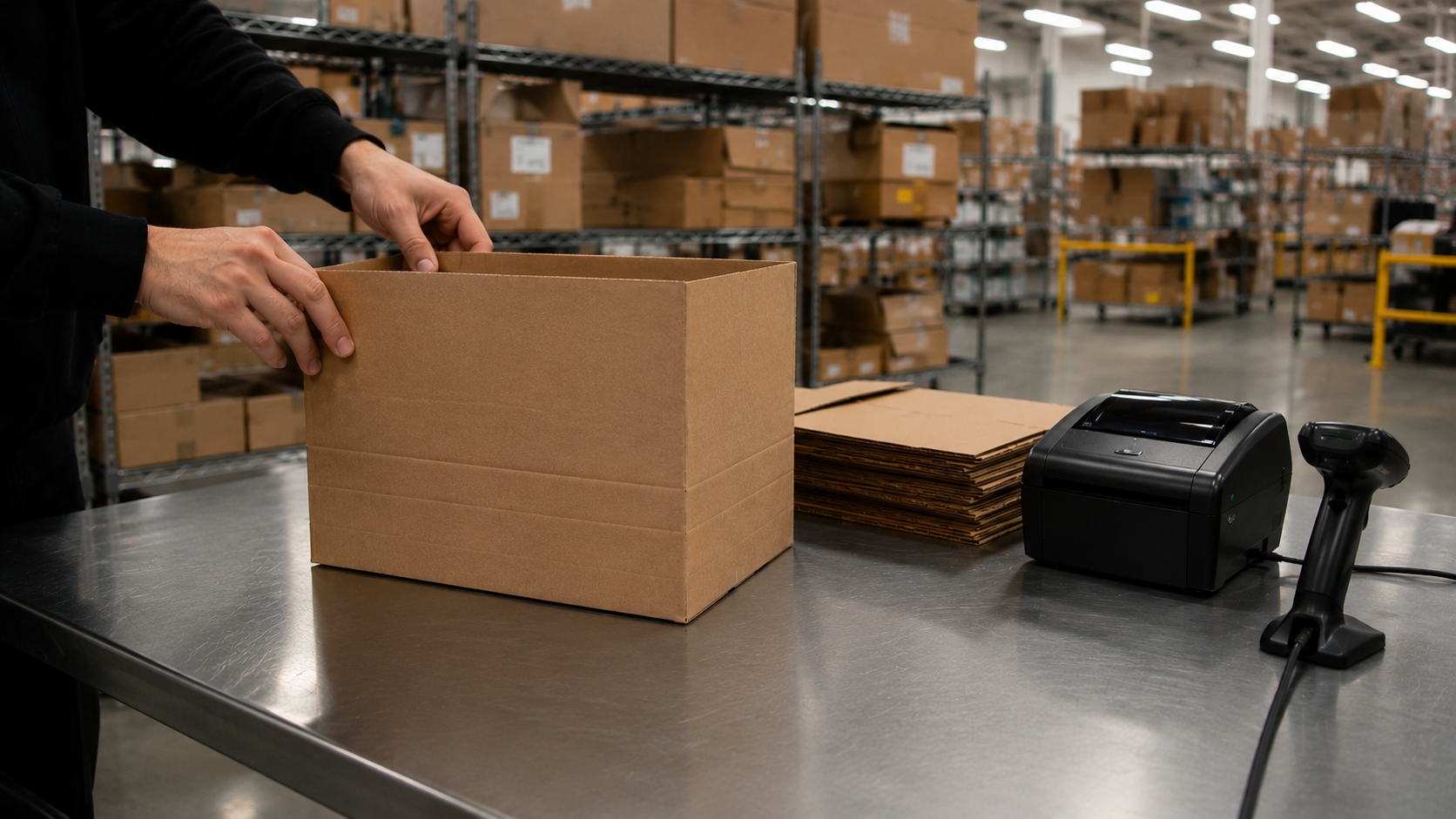
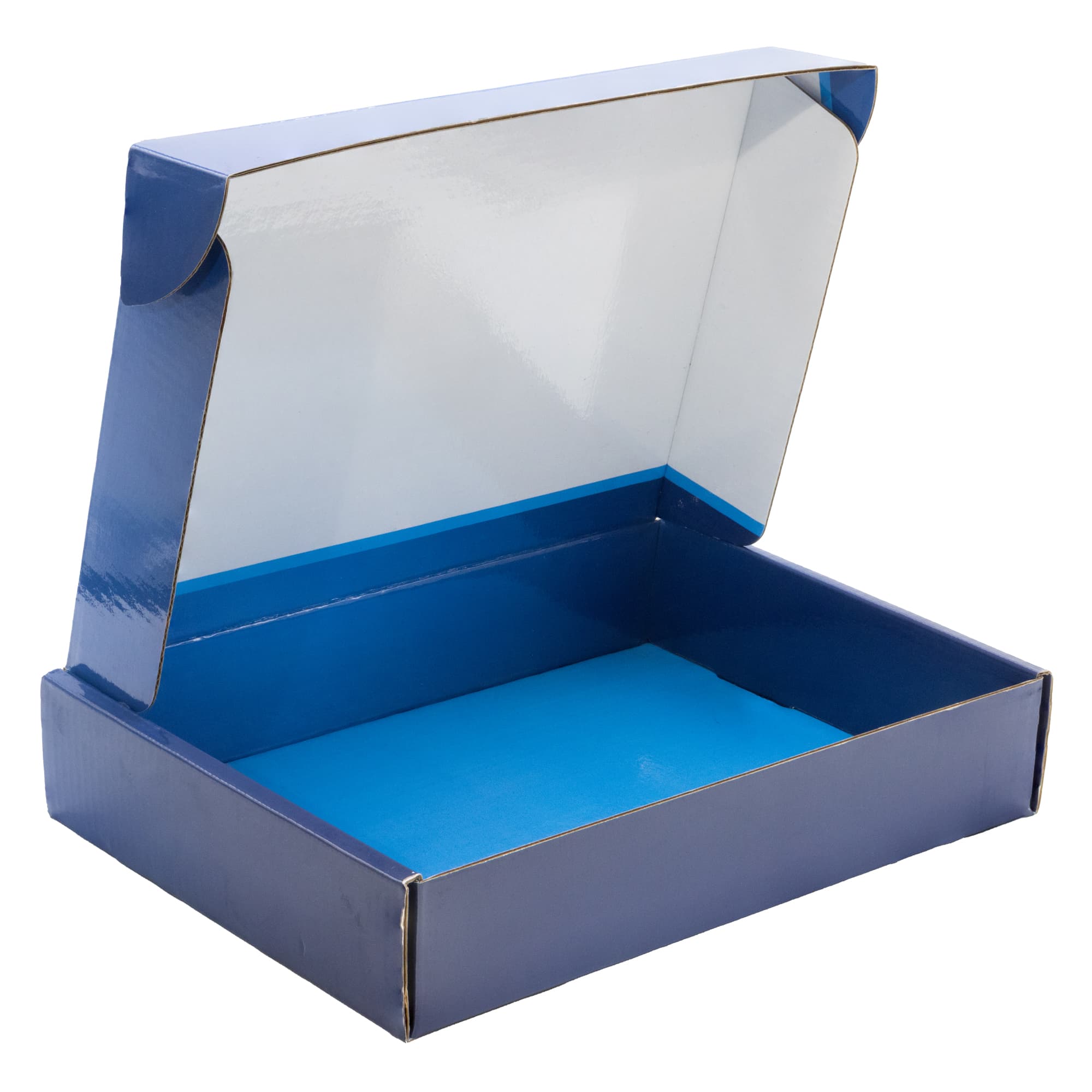
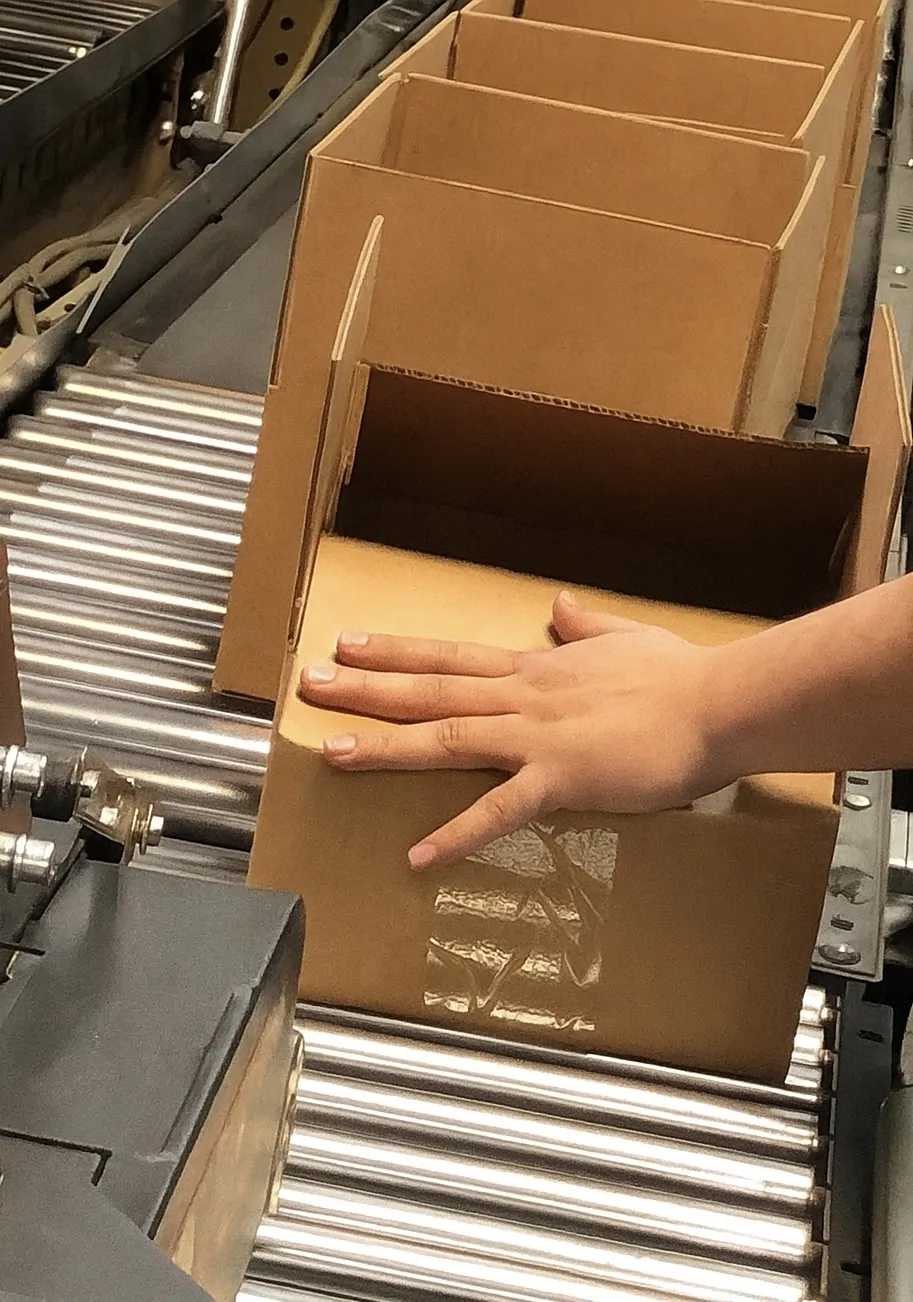
The MVP Box® is a corrugated box with patented pre-scored fold-down heights. Workers fold the box down to the height of the product without cutting, without a machine, and without capital investment. For operations across Chicago, Indianapolis, Columbus, Dallas, Houston, and Los Angeles shipping variable-height products — which is most fulfillment operations — it can meaningfully reduce void fill usage across those SKUs.
It doesn’t replace void fill for fragile products that need cushioning regardless of box height. But for operations where most void fill is there simply because the box is two or three inches taller than it needs to be, right-sizing is the more direct fix.
The Practical Decision Framework
Ask three questions before choosing a void fill strategy:
Is the void fill there for protection or for fit? If it’s for protection, choose based on fragility and budget. If it’s for fit, right-sizing is the more efficient answer.
What’s your DIM weight exposure? If a significant portion of your shipments bill on DIM rather than actual weight, void fill material choice matters less than box height choice. An oversized box with recycled paper void fill still pays full DIM rate.
What does your operation prioritize? For high-volume B2B fulfillment, cost and speed matter most. For operations with sustainability mandates, material type matters alongside cost.
Related Reading
- How Much Does a Right-Sizing Machine Cost? (And What Are the Alternatives?)
- How to Reduce Dimensional Weight Charges in Your Fulfillment Operation
Getting Started
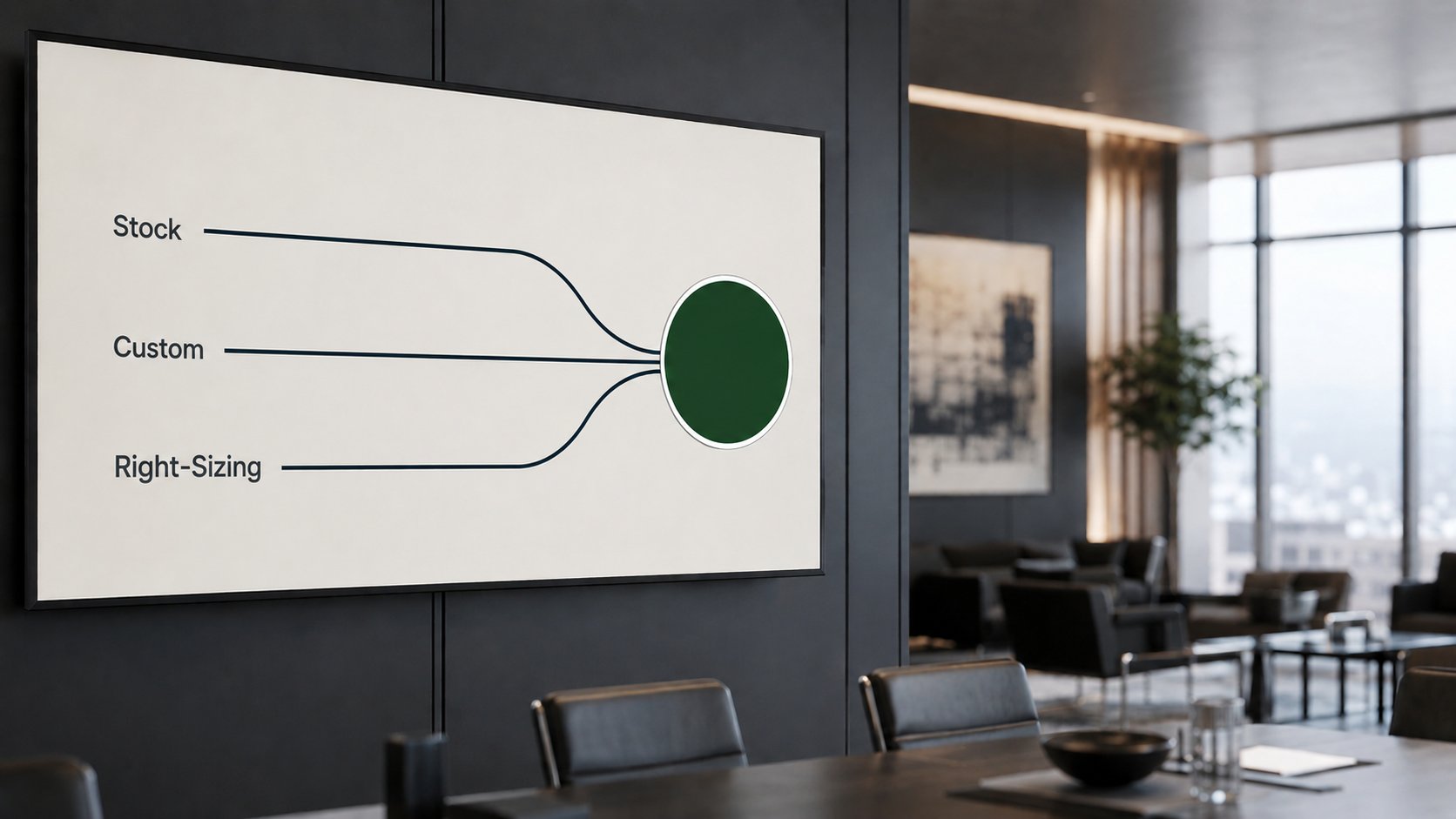
Brandt Box supplies corrugated boxes — stock and custom — to fulfillment operations, manufacturers, and distributors across Chicago, Indianapolis, Columbus, Dallas, Houston, and Los Angeles. If you’re evaluating your void fill costs or want to see whether the MVP Box makes sense for your specific SKU mix, reach out for a quote. No capital commitment, no minimum machine spend — just boxes that fit.